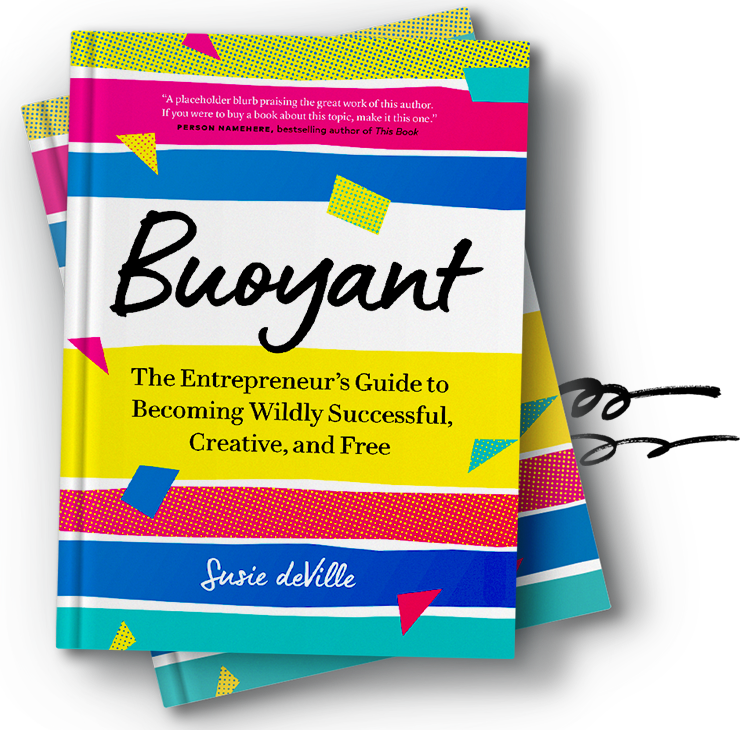

Recently, I had a live-streamed conversation about financial confidence and wealth with author Marcia Rick Dawood titled Unapologetic Wealth & Buoyant Living: Reclaiming Power, Joy, and Choice. What inspires me most about Marcia’s work is the quiet permission it gives to notice the small, stubborn stories that shape our money lives: the whispered “not yet” when joy feels premature, the old rules that tell us generosity must be one-way, the tightness that shows up when opportunity and visibility loom.
If you’ve ever felt a tug between the life you imagine and the financial moves that would make it possible, you’re not alone. That tension isn’t just practical—it’s emotional, historical, and deeply human. Over the years working with clients, I’ve learned that shifting money decisions starts with softening those edges: naming the story, offering yourself permission, and choosing one gentle, aligned step that proves a different story is possible. Marcia’s work helped sharpen that lens for me, and this post is about turning those insights into practical ways to build the kind of steady, rooted financial confidence that lets you live with more ease and more choice.
…if we want to use money differently—to build freedom, to create impact, to invest in our values—we must think differently first.—Marcia Dawood
Thinking Differently for Financial Confidence
Many capable, creative, driven people find themselves navigating a tension between the life they know they want to live and the financial choices that would support it.
Money decisions rarely happen in a vacuum.
They are shaped by memory, conditioning, responsibility, and the expectations we carry about how success should look and feel.
For some, earning more brings up questions about deserving. For others, investing in growth sparks concerns about risk or visibility. Even generosity can become complicated when receiving feels harder than giving.
Emotional agility plays a central role in financial confidence.
When self-trust expands, decision making follows.
When joy becomes a guiding force rather than a reward reserved for later, priorities shift. Using joy as a metric means asking not just “Can I afford this?” but “Does this increase the life I want to live?” It reorients choices toward experiences, relationships, and creative work that expand well-being, and it makes trade-offs feel clearer and more purposeful.
When we feel grounded in our desires, we often find greater clarity around how money can support rest, creativity, leadership, and meaningful impact.
Why Emotional Work Matters for Financial Confidence
Awareness of emotional patterns around earning, spending, and investing opens the door to new choices.
Permission to want more allows values to guide financial growth. Practice builds momentum through aligned actions that strengthen confidence over time. Together, these elements create a foundation where wealth serves freedom rather than pressure.
Financial choices are often framed as technical problems—budgets to balance, investment accounts to open, savings rates to hit. Those things matter, but they’re only part of the picture. Marcia Dawood’s work emphasizes that beneath the spreadsheets lie stories: narratives about worth, risk, and identity that steer behavior in subtle but powerful ways.
When we treat money as purely transactional, we miss the emotional habits that repeatedly steer us back to safety, guilt, or scarcity. By noticing patterns—what triggers anxiety, what prompts overspending, where we shut down conversations about salary or pricing—we can start to separate old narratives from present-day possibility. That separation is the bedrock of financial confidence.

Aligning Money with Meaning
Financial confidence deepens when your money choices are tied to clear values. Are you investing in creative work, family stability, community impact, or personal growth? Clarifying priority areas helps you say yes to what matters and no to what distracts. It also reduces the friction between how you live and how you plan, which makes consistency easier.
A simple exercise to try
- Grab your journal and list your top three life priorities (e.g., creative freedom, family security, giving back).
- For each priority, write one financial decision you can make this month that supports it (e.g., create a freelance pricing plan, start putting away a set amount each month to build an emergency buffer, set up a monthly donation).
- Commit to one small step and log your progress weekly for 6 weeks. Celebrate the pattern and notice how action feeds confidence.
Wealth is a Tool, Confidence is a Practice
Wealth isn’t an end in itself; it’s a means to craft a life with more choice, creativity, and impact. Financial confidence is less about never feeling fear and more about having practices and clarity that let you act anyway. As Marcia Dawood’s forthcoming Unapologetic Wealth invites readers to rewrite the money stories that hold them back, consider this an invitation: examine the narratives, choose one aligned action, and give yourself permission to build money practices that support the life you want.
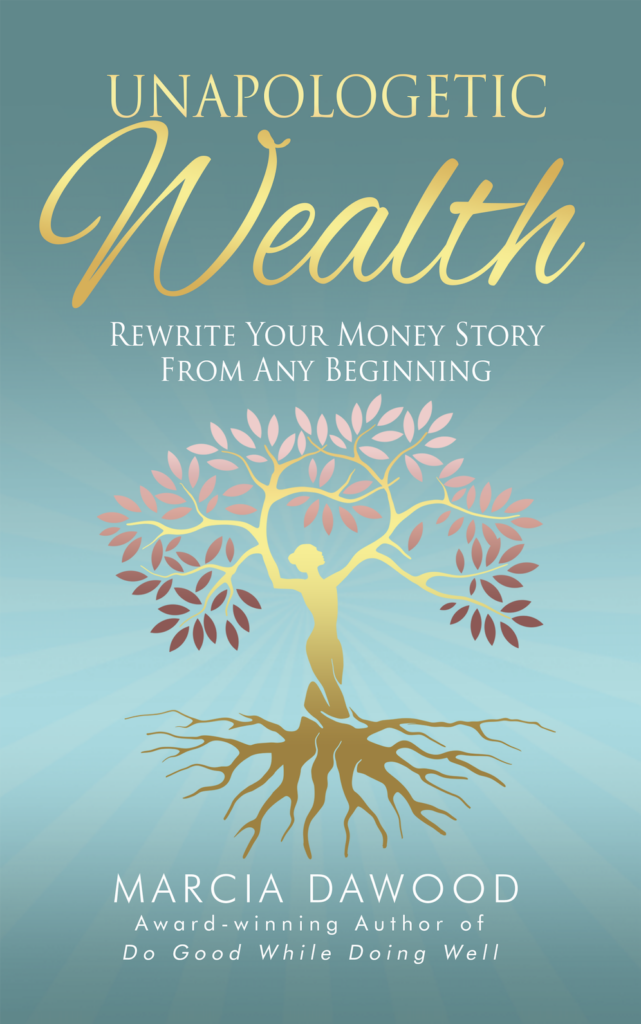
For further reading, preorder Marcia’s upcoming book: Unapologetic Wealth: Rewrite Your Money Story from Any Beginning.
Watch “Unapologetic Wealth & Buoyant Living: Reclaiming Power, Joy, and Choice.”
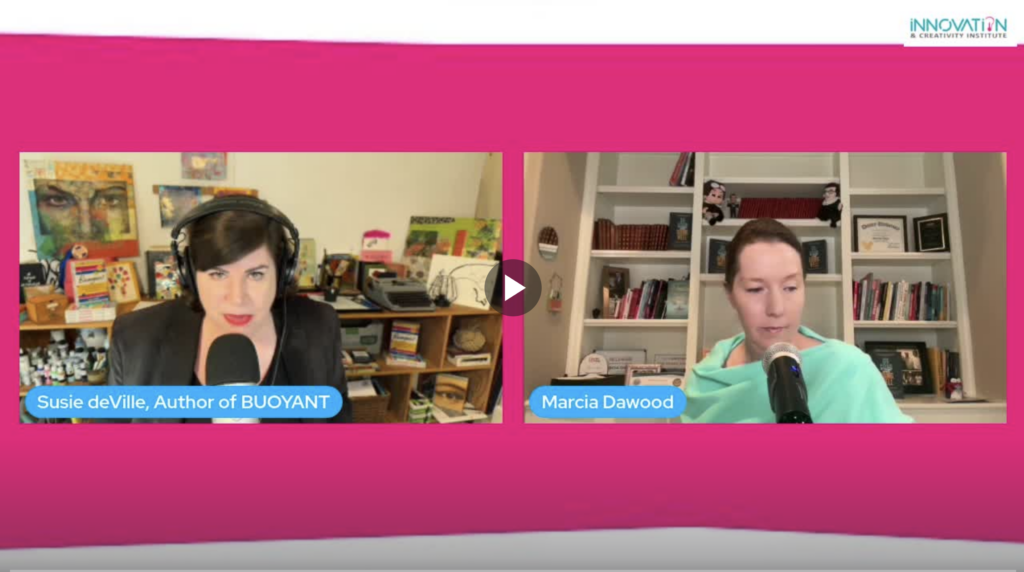
Tune in to the livestream replay to explore the emotional patterns that shape financial decisions, take part in a guided neurographic process to reveal what you genuinely desire from wealth, and develop a form of life literacy that supports your freedom, creativity, and rest.